
Are Solar Panels Worth It in 2026? Cost & Benefits
Solar Energy, Home Improvement, Cost Savings
Are Solar Panels Actually Worth It in 2026?
Solar power is everywhere now—on homes, schools, churches, hotels, and even short‑term rentals. But if you are a homeowner, retiree, business owner, or property manager, the real question is simple: in 2026, are solar panels actually worth it for you? With the right roof, strong sunlight, and a quality installation from a professional provider like Solar King, the answer is often yes.
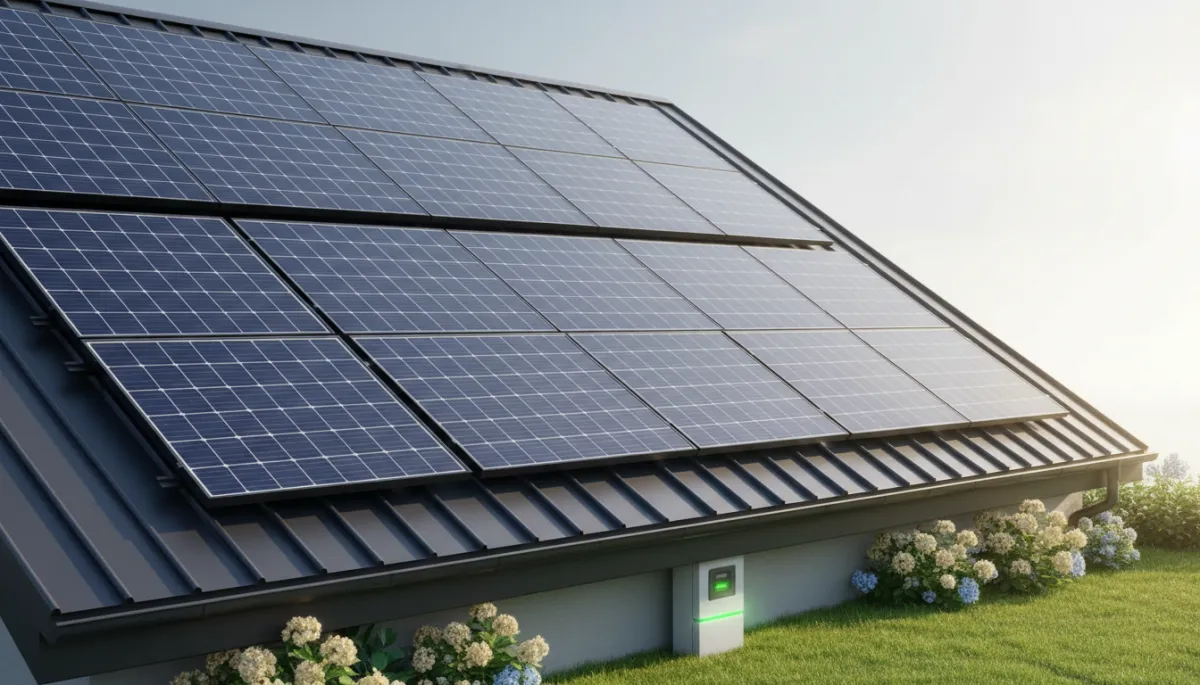
Are Solar Panels Worth It in 2026?
Understand costs, savings, and payback before you invest
1. How Solar Panels Actually Save You Money
Solar panels turn free sunlight into usable electricity for your property. Instead of buying all your power from the utility, your system generates energy that can run everyday essentials such as refrigerators, lights, televisions, computers, pool pumps, water heaters, and even electric vehicle chargers. Every kilowatt‑hour your solar panels produce is one you do not have to purchase from the grid, which is why many households see bill reductions of 50–90%, depending on their location and usage (SolarReviews, 2026).
As utility prices continue to rise, locking in part of your power from the sun becomes more valuable each year. Industry data from the U.S. Department of Energy and SEIA shows solar technology costs have fallen steadily over the past decade and are expected to keep declining through 2026, even as grid electricity becomes more expensive. That widening gap is where your long‑term savings come from.
2. What Really Affects the Cost of Solar Panels in 2026
Predicting exact 2026 prices is difficult, but analysts from the International Energy Agency and other research groups agree that costs are likely to keep trending downward thanks to better technology and economies of scale. Still, what you pay depends on several specific factors:
Size of your home or building: Larger properties often need larger systems to offset more usage, increasing upfront cost but also potential savings.
Your energy use: High electricity users—hotels, schools, churches, industrial sites, and large homes—typically benefit most because they replace more expensive grid power with solar energy.
Roof size, shape, and condition: A simple, unshaded, south‑facing roof is cheaper to work on and produces more energy. Complex, shaded, or aging roofs may require additional mounting hardware or roof repairs before installation. Solar King always checks roof condition first to avoid future issues and poor repair surprises.
How much sunlight you receive: Properties in sunnier regions generate more electricity from the same system size, improving payback. Shading from trees or nearby buildings reduces output unless carefully designed around.
Adding a battery: A battery adds cost but increases independence and backup power. For many homeowners and businesses, this is worth the added investment, especially where outages are common or utility rates are high at night.
Permits, inspections, and labor: Local permit fees, utility interconnection charges, and installation labor vary by region. Choosing a company that prioritizes professionalism and efficiency, like Solar King, helps avoid costly delays and poor installation problems.
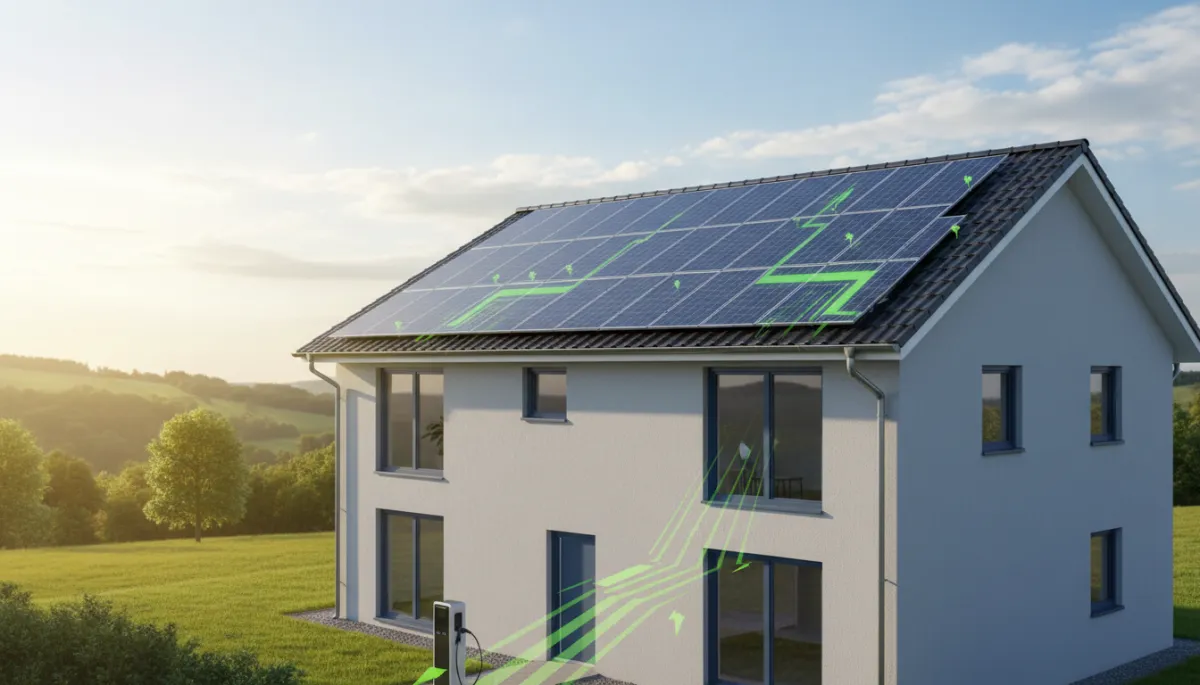
A clear, written proposal helps you understand system size, cost, and long-term savings.
3. Financing Options: Cash, Loans, and Payment Plans
You do not have to pay for solar panels in cash to benefit. In 2026, most homeowners and businesses choose one of three main options:
Cash purchase: Highest upfront cost, but you own the system outright, capture all savings, and avoid interest. This often delivers the fastest payback and best lifetime return.
Solar loans: You spread payments over several years. Ideally, your loan payment plus reduced electric bill is similar to or lower than your old bill. Pay attention to the interest rate, term length, and whether there are penalties for early repayment.
Payment plans or leases: Some programs offer low or zero upfront cost in exchange for a monthly fee. These can work for some customers, but you must understand who owns the system, how price increases work, and what happens if you sell the property.
💡 Pro Tip: Whatever financing you choose, insist on a clear breakdown of total cost, interest paid over time, warranty coverage, and exact monthly payments in writing. Solar King always provides this upfront so there are no surprises.
4. Energy Independence and Emergency Resilience
One of the biggest reasons people go solar in 2026 is control. A properly sized system reduces your reliance on the utility and shields you from unpredictable rate hikes. For businesses, hotels, schools, churches, and Airbnbs, that stability makes budgeting easier and protects profits.
During grid outages, most standard solar systems automatically shut off for safety. This protects utility workers but means your panels alone will not keep the lights on. To have power during blackouts, you need a solar system paired with a battery or special backup inverter. While this adds cost, it can be invaluable for critical loads like medical equipment, refrigeration, security systems, or keeping your business operating. Solar King designs systems specifically for backup needs so you know exactly what will stay on when the grid goes down.
5. Incentives in 2026: What Is Still Available?
Incentives change, and 2026 is a transition year. The long‑standing 30% federal residential solar tax credit expired at the end of 2025, so new home installations in 2026 generally cannot claim that credit (LegalClarity, 2026). However, commercial, nonprofit, and larger‑scale projects may still qualify for federal Investment Tax Credit (ITC) or Production Tax Credit (PTC) if they meet specific “under construction” deadlines and safe‑harbor rules.
For homeowners, state and local incentives now matter more than ever. Depending on where you live, you may still benefit from:
State tax credits or deductions
Upfront cash rebates or utility bill credits
Sales and property tax exemptions for solar equipment or added home value
Net metering programs that credit you for extra energy sent back to the grid
Solar Renewable Energy Certificates (SRECs) in some states
📌 Key Takeaway: Incentives now vary widely by state and city, and funding can run out. Check official sources like DSIRE and state incentive dashboards, and confirm details with a qualified solar professional. Solar King routinely helps clients identify and apply available programs.
6. Understanding the Payback Period in 2026
The payback period is the time it takes for your solar savings to equal what you paid for the system. After that point, your panels are essentially generating electricity at a very low effective cost for the rest of their life—often 20–30 years or more with quality equipment and professional installation.
Your payback period depends on:
Total system price, including equipment, labor, permits, and any battery storage
Your current electric bills and how quickly rates are rising
How much sunlight your roof receives and the system’s expected yearly production
Any incentives, rebates, or tax benefits you qualify for
Utility rules for net metering or buyback of extra energy
How long you plan to stay in the property—important for both owners and investors in Airbnbs or commercial buildings.
In many markets, well‑designed systems still pay for themselves in roughly 7–12 years, sometimes faster for high‑usage customers with strong local incentives. A professional assessment from Solar King will include a clear, written payback estimate based on your actual bills and site conditions.
7. Comparing Quotes from Qualified Installers
Not all solar companies deliver the same quality. Poor installation, poor customer service, and inefficient system design can erase much of the value solar should provide. When you request quotes, focus on more than just the lowest price. Look for competitive pricing paired with professional service—exactly what Solar King promises.
For each proposal, ask for the following in writing:
Total installed cost, including permits, interconnection, and any add‑ons like batteries or monitoring.
Estimated yearly energy production and how it was calculated (sunlight, shading, orientation).
Warranty details for panels, inverters, batteries, and workmanship—long, comprehensive warranties are a sign of confidence and professionalism.
Projected savings and payback period, including assumptions about utility rates and incentives.
💡 Pro Tip: Choose an installer that offers strong after‑sales service. Solar King’s commitment to ongoing support means you are not left alone after installation—crucial for long‑term performance and peace of mind.
So, Are Solar Panels Worth It in 2026?
In many cases, yes—especially if your property receives good sunlight, your roof is in solid condition, and your electric bills are high enough that replacing grid power with solar yields meaningful savings. With equipment costs continuing to trend down, rising utility prices, and strong state and local incentives in many areas, solar remains a smart, long‑term investment for homes, businesses, and commercial properties alike.
The key is to partner with a company that values quality products, professional installations, efficiency, and reliable after‑sales service. That is exactly what Solar King is built on—so you avoid the frustration of poor repair, poor installation, and poor customer service that still plague parts of the industry.
If you are ready to see whether solar panels are truly worth it for your home, business, hotel, school, church, industrial site, or Airbnb, book an assessment with Solar King and get a detailed quote. With clear numbers, professional guidance, and a focus on long‑term performance, you can make a confident decision about going solar in 2026 and beyond.